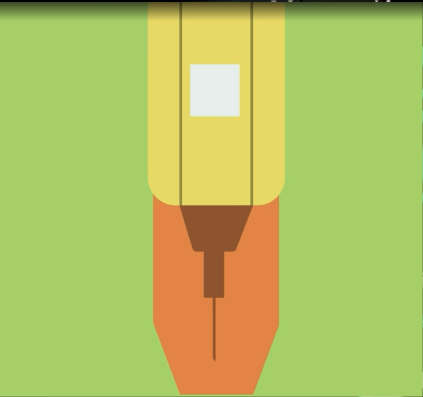
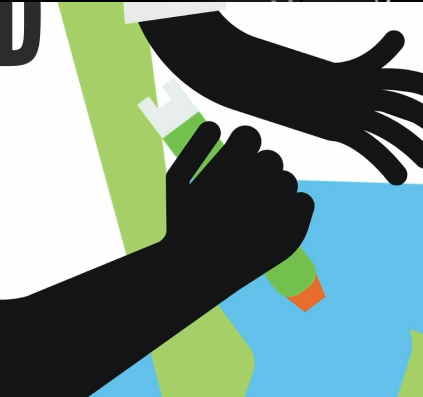
👉 Be Aware of your severe allergy

Learn How to Use an EpiPen Safely

This website helps users understand severe allergic reactions and learn how to use an EpiPen through clear instructions and interactive modules. Build confidence and preparedness to help save confidence in emergency situations.
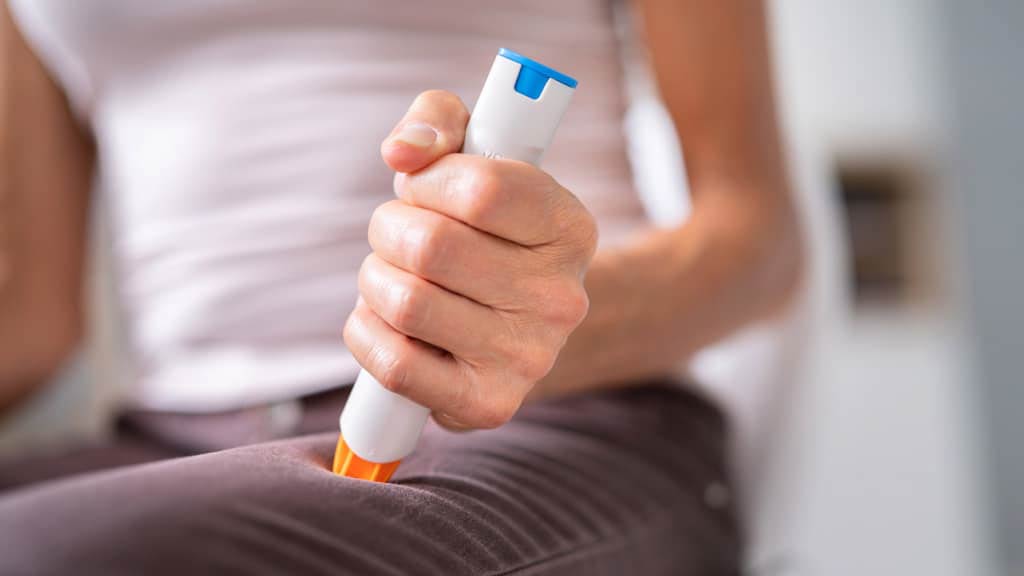
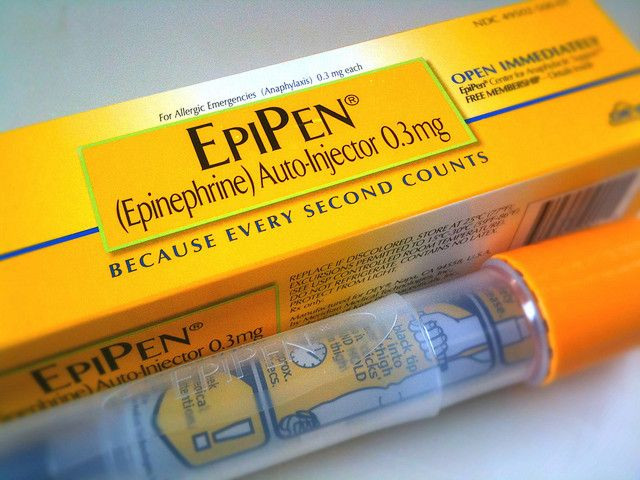
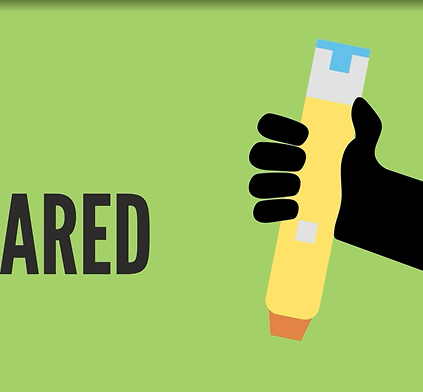
EpiPen being held

Key Skills You Will Learn

This module helps users understand anaphylaxis and learn the correct steps to use an EpiPen safely and confidently.

Recognize Symptoms

Learn how to identify early signs of a severe allergic reaction such as itching, difficulty breathing, and more.

Correct Injection Location

Understand where to place the EpiPen on the body to inject the medication directly into the muscle.

Proper Activation

Learn how to remove the safety cap and engage the auto-injector to deliver the medication.

Correct Timing

Keep the injector in place for the recommended 3-10 seconds to ensure the full dose is delivered.

Step by Step Learning

Practice the correct order of the EpiPen procedure so you get proficient in using it in emergencies.

Emergency Preparedness

Build confidence and understanding what to do before using the EpiPen in an emergency.

About Epipen

Because severe allergic reactions can become life-threatening within minutes, knowing how to use an EpiPen correctly is an important life-saving skill.

EpiPen Product

What is an EpiPen?

An EpiPen is a portable medical device containing adrenaline to treat severe allergic reactions, also known as anaphylactic shock.

What Does an EpiPen Do?

Open the airways to make breathing easier

Reduce swelling in the throat and face

Increase blood pressure that may drop during a reaction

Stabilize the body until emergency medical help arrives

How to use an EpiPen?

Want to learn how to use an EpiPen safety and correctly?

Click "Start" to begin the learning module.

← Back

EpiPen User Guide

Learn how to use EpiPen step by step, from knowledge points to practical applications.

8 steps 30 minutes Olivia Chen

Learning progress

0/8 steps completed

Step 1 - Recognize Symptoms

Step 1 – Recognize Symptoms and Prepare the Injector

Identify signs of severe allergic reaction (anaphylaxis). Check if EpiPen is expired and that the medication is clear to pale yellow. Remove EpiPen from carrier tube and hold with your fingers on the carrier tube with the orange tip pointing downward.

Difficulty breathing
Dizziness
Throat tightening
Low blood pressure
Step 2 - Remove Safety Cap

Step 2 – Remove Safety Cap

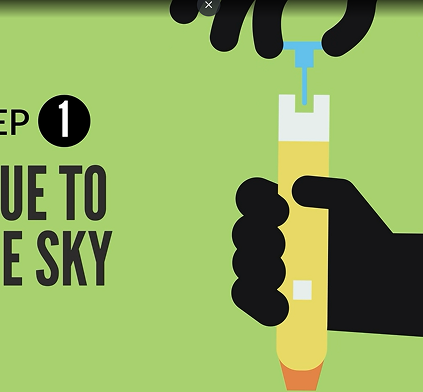
Remove the blue safety release cap by pulling it straight up while maintaining a firm grip on the carrier tube.

This action arms the internal spring-loaded filling mechanism.

Step 3 - Position the Injector

Step 3 – Position the Injector

Identify the correct injection site, typically the outer thigh as the injection site. If they are wearing loose clothing, pull the clothing away. The needle is designed to penetrate standard medical-grade clothing.

Step 4 - Push Firmly

Step 4 – Push Firmly

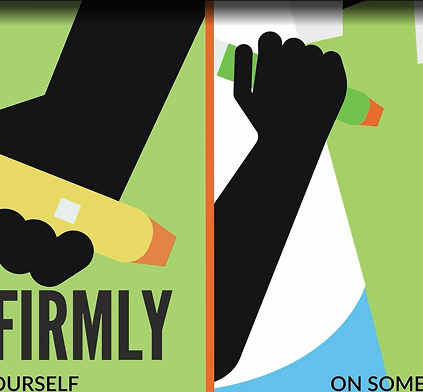
Position the orange tip at a 90-degree angle against the lateral mid-thigh. Swing and push the injector firmly until a distinct "click" is heard on the carrier. This indicates that the injection mechanism has deployed into the intramuscular space.

Step 5 - Hold in Place

Step 5 – Hold in Place

Hold the injector in place for 3-15 seconds (depending on specific manufacturer calibration) to allow the entire dose of epinephrine to be delivered via the pressurized plunger.

Step 6 - Remove and Seek Help

Step 6 – Remove and Seek Help

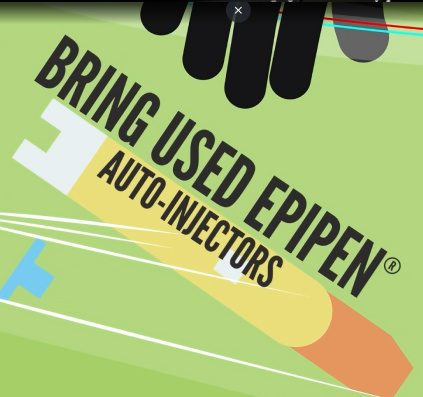
Withdraw the unit and massage the injection site for 10 seconds to enhance systemic absorption. Place the used unit into a designated sharps container, noting that the orange tip remains protected inside.

Common Mistakes

Common Mistakes

One of the most common mistakes is injecting into the muscle of the thigh which can lead to accidental self-injection into the digits.

Incorrectly placing the needle on the deltoid at the upper arm or inserting the subcutaneous (from beneath the skin) layer.

Pressing EpiPen too lightly then the second minimum, leading to incomplete dose administration.

Critical Fail Steps

Critical Fail Steps

Accidentally self-injection interacting with the needle and facing the user's thumb.

Incorrect injection site causing intravenous administration, which can cause full a visit at the gradual muscle.

EpiPen Knowledge Quiz

Test your knowledge with this 11-question quiz, including a step-ordering challenge about using EpiPen safely and correctly.

Correct: 0
Incorrect: 0
Progress: 0/11

Question 1 of 10

What is the primary purpose of an EpiPen?

Question 2 of 10

Where should you inject an EpiPen?

Question 3 of 10

How long should you hold an EpiPen in place after injection?

Question 4 of 10

What should be removed first when using an EpiPen?

Question 5 of 10

What is a common symptom of anaphylaxis?

Question 6 of 10

What should you do after using an EpiPen?

Question 7 of 10

How can you tell if an EpiPen has expired?

Question 8 of 10

What is one common mistake when using an EpiPen?

Question 9 of 10

What angle should the EpiPen be held when injecting?

Question 10 of 11

What color is the medication in an EpiPen?

Question 11 of 11

📋 Order the Steps: Arrange the 6 correct steps for administering an EpiPen in the proper sequence (Drag to reorder)

Drag the steps below to arrange them in the correct order. Test your memory!

🔄 Push Firmly - Position at 90° angle and push until you hear a click
🔄 Recognize Symptoms and Prepare - Check expiration, hold with orange tip down
🔄 Remove and Seek Help - Withdraw unit, massage injection site, call emergency
🔄 Position the Injector - Identify outer thigh as injection site, pull clothing away
🔄 Hold in Place - Hold for 3-15 seconds for full dose delivery
🔄 Remove Safety Cap - Pull the blue cap straight up